As we head into the dog days of summer, here are three recently published books that we can’t stop looking at and thinking about:
Julie Bullard by Nadia Lee Cohen and Martin Parr (IDEA, 2025)
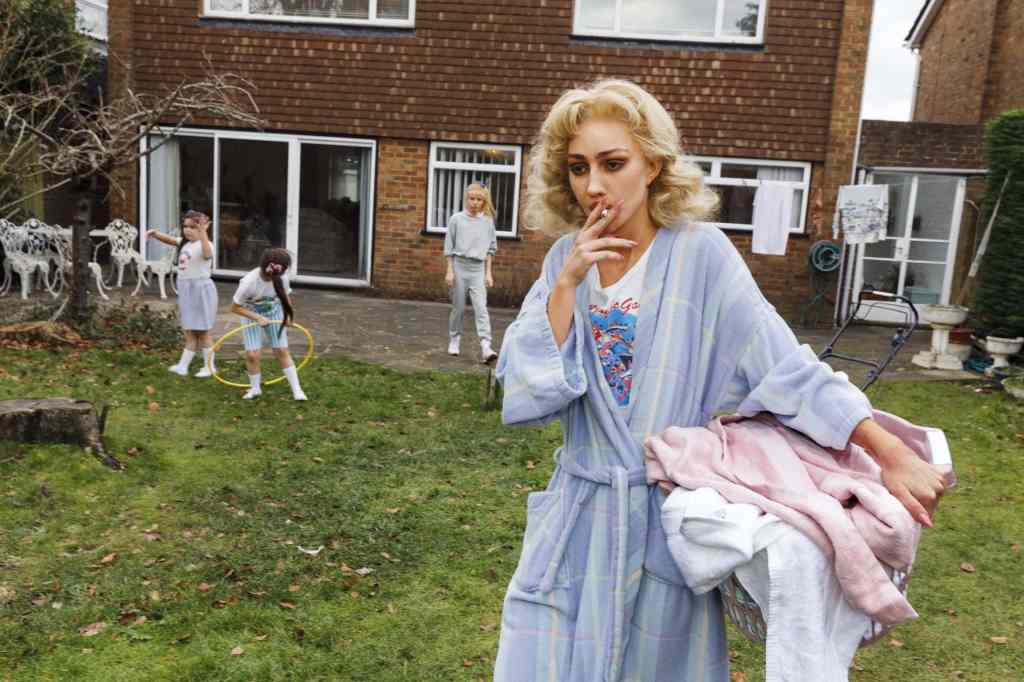
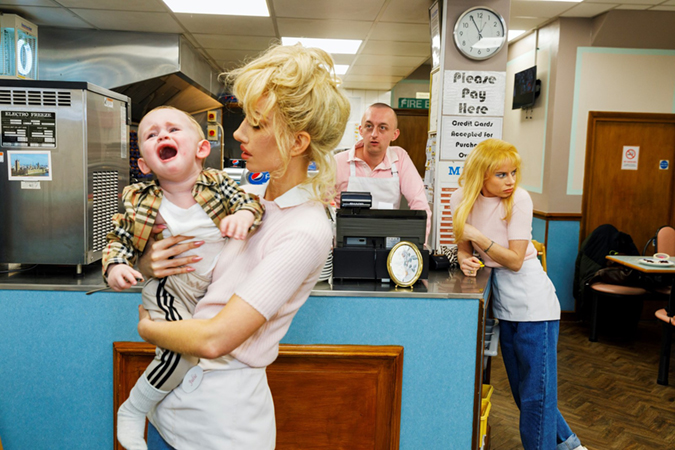
In Julie Bullard, shape-shifting artist Nadia Lee Cohen joins forces with iconic Magnum photographer Martin Parr to create a series of photos depicting a fictional character partly inspired by her childhood babysitter. As the title character, Cohen explores archetypes of feminine glamour while undercutting them simultaneously. It’s both a tribute and a satire. Although the images are all highly constructed and carefully staged, they feel wonderfully candid—despite the wigs, costumes, prosthetic noses, and make-up. Once a scene was set up, Parr photographed it candidly, as a street photographer might. Perhaps comparisons to Cindy Sherman’s untitled film stills are inevitable, but to my mind, the gently acerbic humor and loving ode to a certain stripe of middle class British life shares more DNA with Parr’s photos of beachgoing Brits—and his early work The Last Resort in particular.
Spiral-bound, with a faux-leather cover, the packaging itself is quite unique. It’s practically impossible to pull off a spiral-bound photobook (you have to admire the chutzpah behind that decision). But somehow it works, just as Parr’s understated, ironic, naturalist style perfectly grounds the heightened theatrical aesthetic of Cohen’s physical transformations. The result is a fantastic—albeit unexpected—combination of artistic sensibilities.
The Palace by Mårten Lange (KARL, 2024)
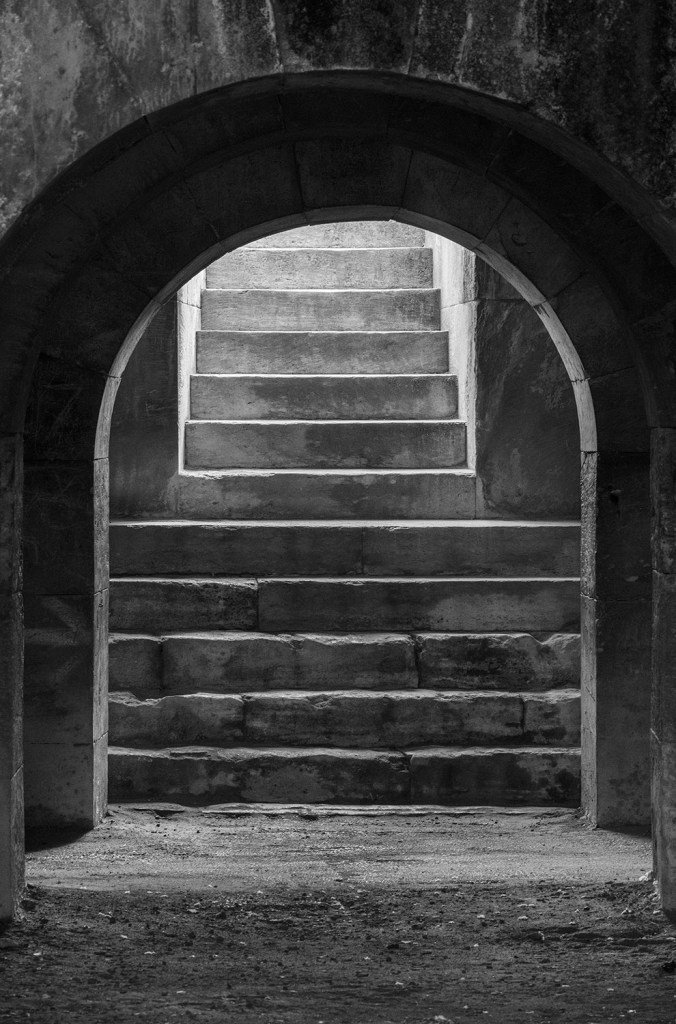
From the ruins of historic European castles, photographer Mårten Lange’s latest book The Palace conjures a mythical labyrinth in decline and decay. Lange’s work intentionally evokes the ancient Roman concept of a “memory palace.” But the memories conjured here seem distant, incomplete, erased—perhaps they never existed at all.
Lange’s evocative monochrome photographs (70 in total) reveal only architectural details—doorways, stairs, windows, bas-relief sculptures–“fragments of a stranger whole,” as he phrases it. The sequence creates a kind of maze, guiding the viewer into unknown territory. Secret doors lead to hidden passageways that, in turn, lead …where, exactly? Lange invites the reader to map the palace in relation to their own thoughts, moods, and memories.
The work has a High Romantic sensibility, and there is a sense that one might encounter the Sublime lurking in the ruins. One standout image captures the hollow eyes and taunting expression of a wraith-like ancient king, his likeness carved into the very space that he once inhabited.
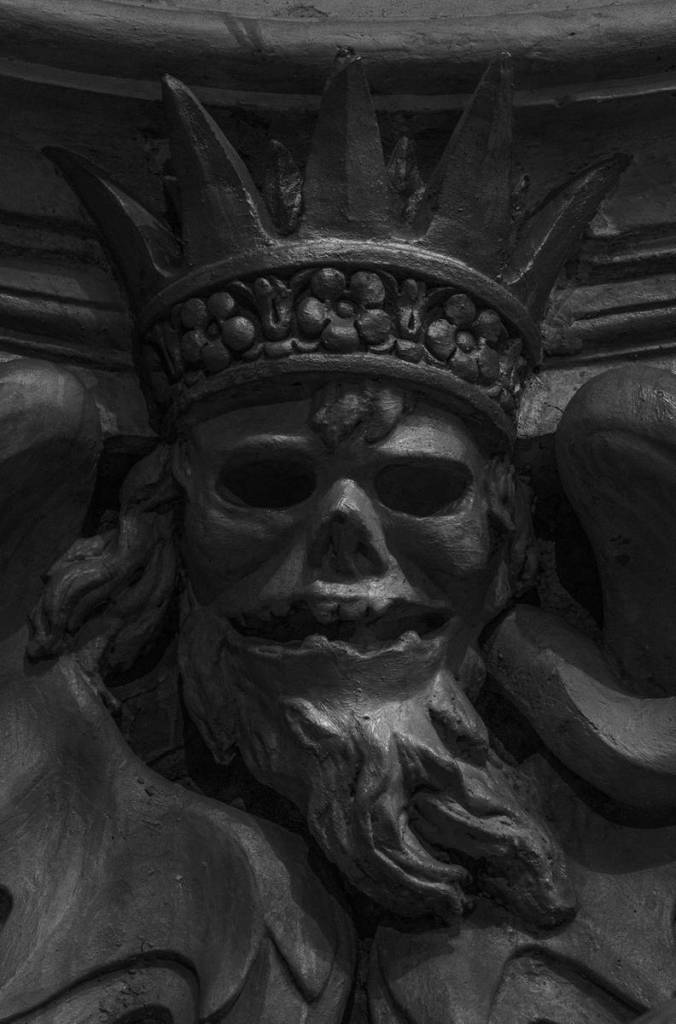
“Speaks in a dead language,” is the image description, which serves only to further obfuscate viewers. It’s found in the Notes section at the end, which intentionally reads more like lines excerpted from a poem. Lange writes, “In a memory palace, the practitioner imagines rooms, doors and corridors, each containing an image or a passage of text…The remembering process is then performed as an imagined journey through this space.” Our memories, therefore, must guide us as Theseus’s string did, as we navigate terrain at once familiar and strange, straightforward and bewildering.
Failing by Mike Brodie (Twin Palms, 2024)
Mike Brodie’s first book, A Period of Juvenile Prosperity (2013), left an indelible impression on me. It celebrated the train-hopping “crusty punk” lifestyle and those who lived it from the intimate perspective of someone who was very much a part of that world. Critics viewed it as the contemporary equivalent of Kerouac’s On The Road – a resolutely personal and deeply American travelogue unfolding in something approximating stream-of-consciousness.
Failing, Brodie’s first new body of work in over a decade, picks up where Juvenile Prosperity left off. It’s a welcome return from a self-taught photographer with a unique, unvarnished voice who almost instinctually combines a documentarian’s sensibility with a vernacular aesthetic in a way that few if any can.
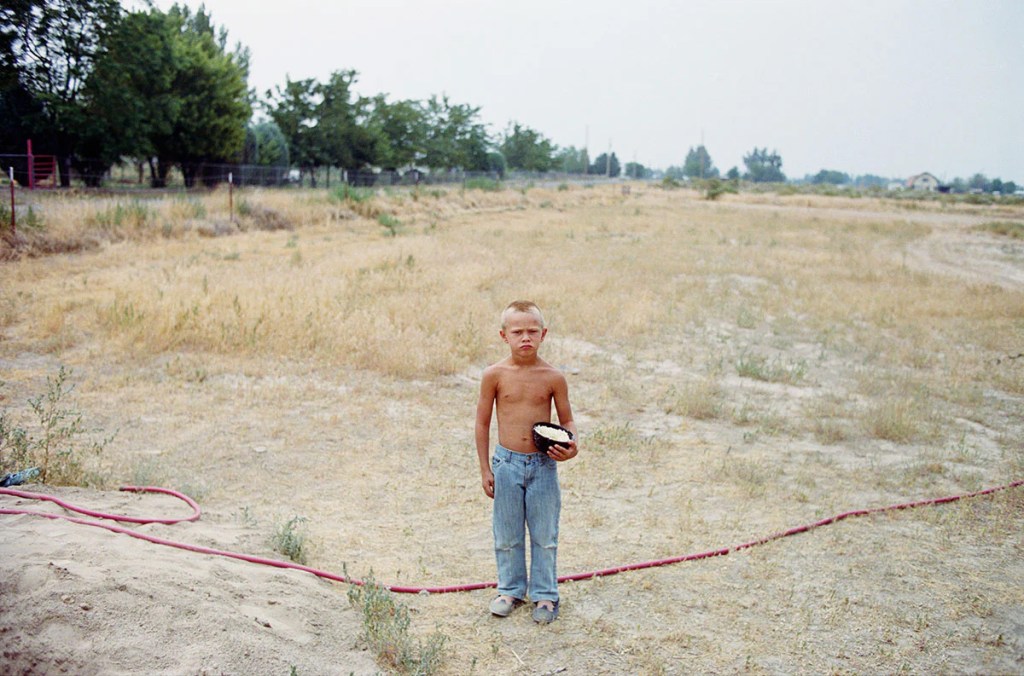
Failing is more autobiographical and more self-reflective than his previous work, unfolding almost like a photo-diary, and often incorporating pictures of friends and loved ones. It’s also a darker journey—the reckless spirit of youth has largely given way to weary, aging visages. (Even a young boy, shirtless in jeans, standing center frame in one photo, seems much older than his years.)
The path here is littered with difficult decisions, personal demons, and relationships that ended too soon. Death stalks these pages in both literal and metaphorical ways. The work can be raw and uncompromising. Yet there are also moments of pure joy, of connection, of serendipitous discovery, and a sense of hopefulness (if not the eternal optimism of youth).

As was the case with Kerouac’s later works, Brodie explores and challenges the notion of “failure,” and in the process turns it on its head. In doing so, he creates meaningful art that challenges and, in its own way, reassures.
 The Parallax Review